

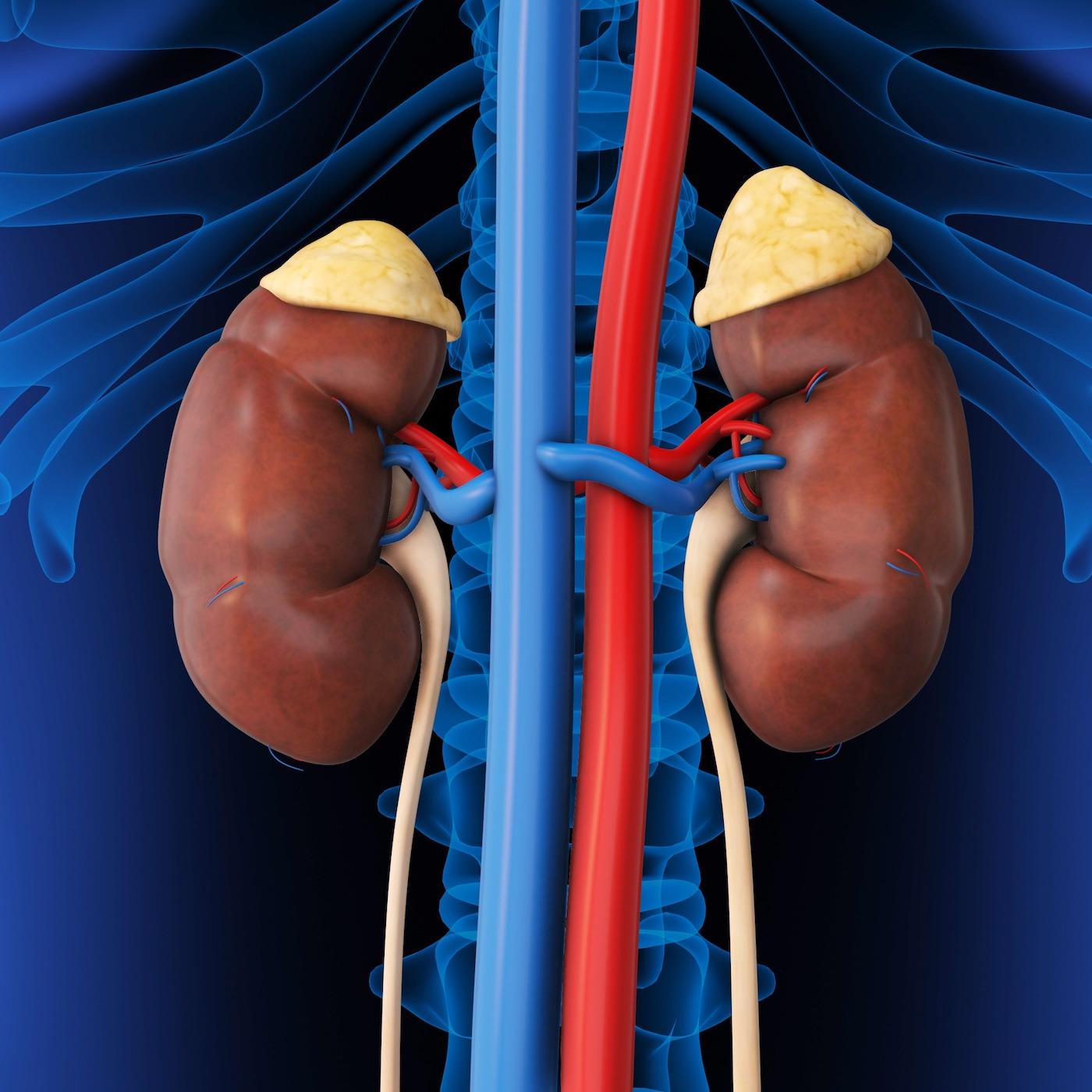

Adrenal insufficiency and crisis represent a critical diagnostic challenge in emergency medicine, frequently masked by overlapping symptoms with common infections or gastrointestinal illnesses. A high index of suspicion is essential, particularly in patients with chronic exogenous steroid use, which remains the leading cause of tertiary adrenal insufficiency. The most reliable predictor of a future crisis is a history of a previous event. Because adrenal crisis is life-threatening, clinicians must prioritize the administration of parenteral hydrocortisone—100 milligrams for adults or 50 milligrams per meter squared for pediatric patients—immediately upon suspicion, rather than delaying treatment for laboratory confirmation. While primary, secondary, and tertiary classifications help identify the site of hypothalamic-pituitary-adrenal axis dysfunction, the immediate clinical priority remains aggressive fluid resuscitation and stress-dose steroid replacement to prevent mortality.
Sign in to continue reading, translating and more.
Open full episode in Podwise