

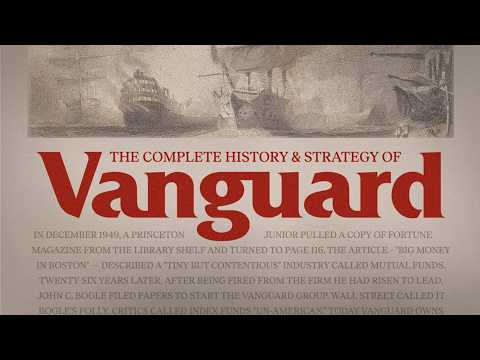

Vanguard revolutionized the investment industry by introducing the first retail index fund in 1975, fundamentally shifting power from Wall Street to individual investors. Jack Bogle, the firm's iconoclastic founder, established a unique, mutually-owned corporate structure that eliminated external shareholder conflicts, allowing the company to operate at cost. This "Vanguard Effect" forced the broader finance industry to slash fees, ultimately transferring over a trillion dollars in wealth back to individual investors. Despite early struggles, internal resistance, and the initial failure of its IPO, the firm’s commitment to low-cost, passive indexing eventually eclipsed active management, turning Vanguard into a global financial colossus. The firm’s success highlights the power of aligning corporate structure with customer interests, proving that a mission-driven, profitless model can scale to manage trillions in assets while fundamentally altering the global financial landscape.
Part 1: Origins, Early Life
Part 2: Industry Flaws, Vanguard's Birth
Part 3: Indexing, Growth, Scaling
Part 4: Market Triumph, Modern Challenges
Sign in to continue reading, translating and more.
Open full episode in Podwise