

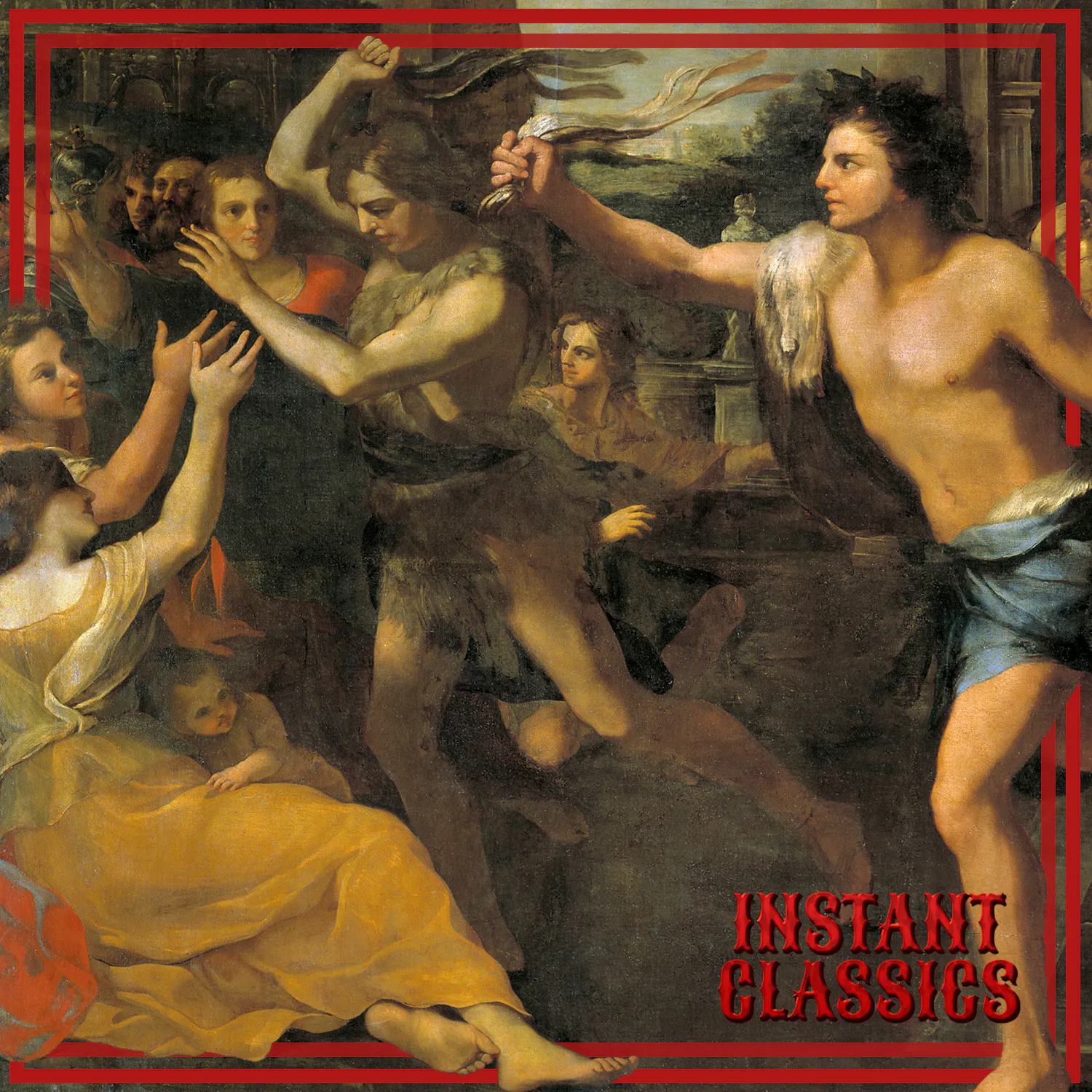

The Roman festival of Lupercalia, held annually on February 15th, functioned as a complex, performative ritual rather than a mere religious observance. Centered on the Palatine Hill—the mythical site where Romulus and Remus were suckled by a wolf—the event involved scantily clad runners whipping bystanders with goat-skin thongs to promote fertility. Its political significance peaked in 44 BC when Mark Antony used the ceremony to offer Julius Caesar a crown, highlighting the era's deep-seated anxieties regarding monarchy and autocracy. Beyond its specific rituals, Lupercalia served as a vital mechanism for constructing Roman identity, anchoring the city’s history and myths to its physical topography. While often conflated with modern romantic traditions, the festival remains distinct from Valentine's Day, representing a unique, place-specific enactment of Roman heritage that persisted well into the Christian era.
Sign in to continue reading, translating and more.
Open full episode in Podwise