

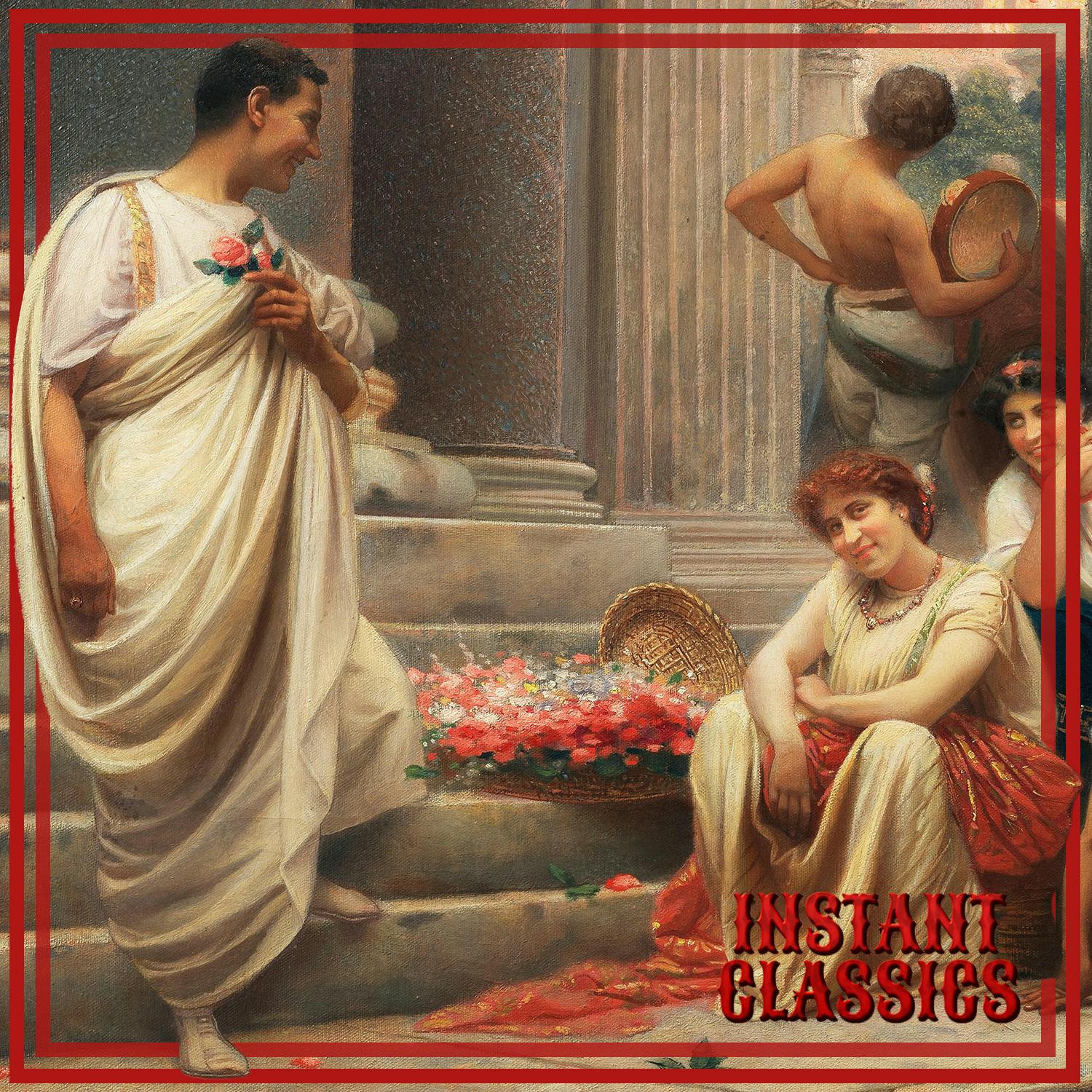

The Roman toga serves as a profound symbol of citizenship and social status rather than mere everyday attire. This formal garment required immense labor, involving 40 kilometers of hand-spun wool and over 100 days of weaving, necessitating assistance to drape correctly. Beyond its physical construction, the toga functioned as a critical political marker; specific variations denoted public office, candidacy, or mourning, while its misuse could signal social transgression or effeminacy. The distinction between the semicircular toga and the rectangular *pallium*—often worn for leisure or by non-Romans—highlights the rigid social codes embedded in Roman dress. Historical evidence suggests that when worn by women, the toga was frequently associated with prostitution, further cementing its role as a complex, highly regulated signifier of Roman identity and public conduct.
Sign in to continue reading, translating and more.
Open full episode in Podwise