

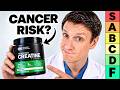

Popular health supplements frequently lack rigorous clinical evidence, with many marketed products failing to deliver on their ambitious health promises. While compounds like creatine and protein powder demonstrate clear efficacy for muscle hypertrophy and strength, anti-aging supplements such as rapamycin, resveratrol, and NAD currently lack human data to support longevity claims. Essential nutrients like vitamin D and omega-3s provide benefits primarily for individuals with specific dietary gaps rather than the general population. Marketing strategies often prioritize intermediate biomarkers or anecdotal testimonials over hard clinical endpoints, leading to widespread consumer confusion. Establishing a healthy diet remains the foundation of wellness, as supplements function only as accessories rather than replacements for proper nutrition. Evaluating supplement efficacy requires distinguishing between preliminary research and validated clinical outcomes to avoid unnecessary expenditure on ineffective or unproven products.
Sign in to continue reading, translating and more.
Open full episode in Podwise