

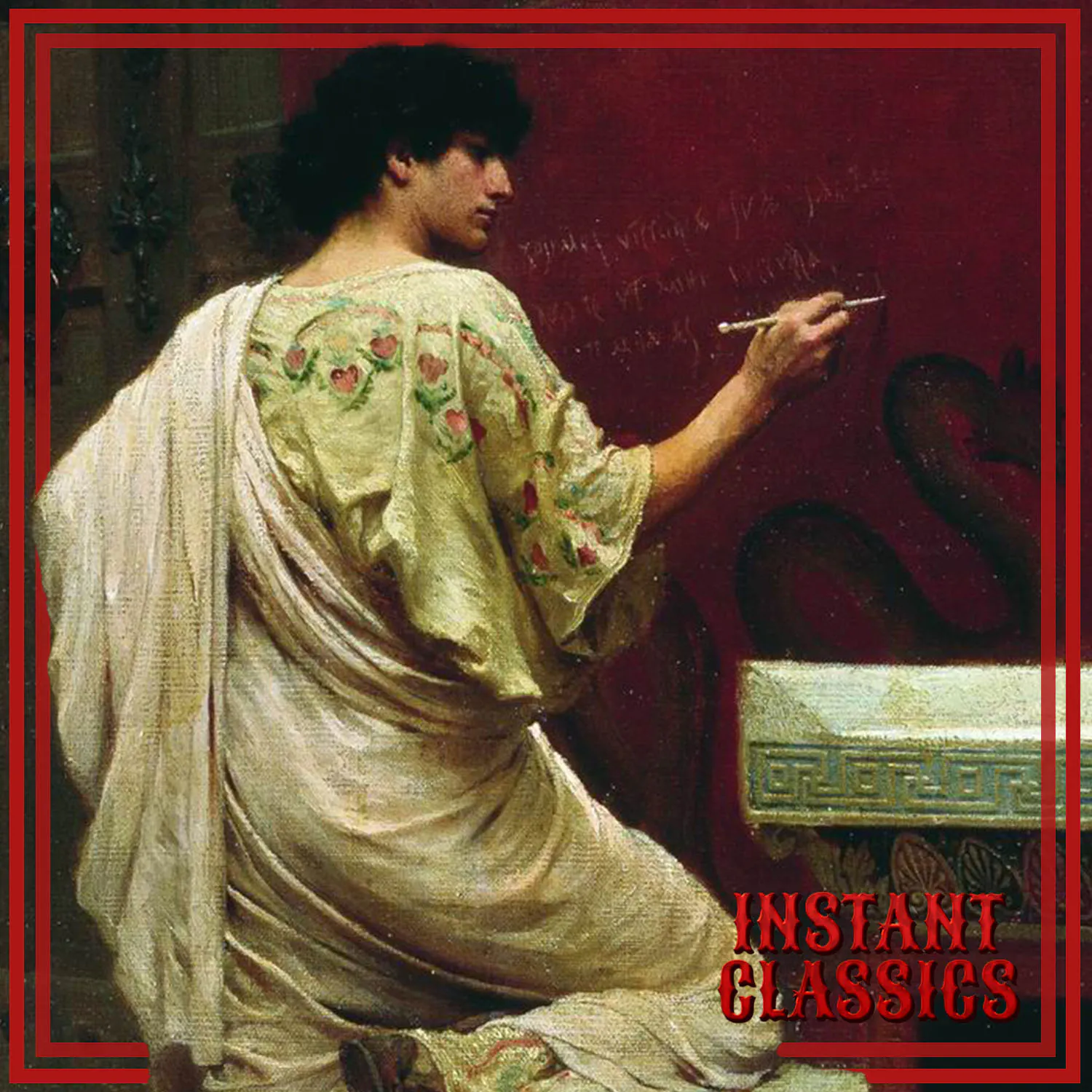

Roman graffiti in Pompeii and Herculaneum provides an unfiltered, intimate record of daily life, revealing social dynamics and literacy levels far beyond official historical accounts. These thousands of inscriptions, ranging from crude sexual boasts and personal confessions to political satire and local price lists, demonstrate that writing was deeply embedded in the urban fabric. The frequent appearance of literary fragments, particularly from Virgil’s *Aeneid*, suggests that high culture reached the broader population, though often as memorized, "bitesize" cultural touchstones. The widespread use of writing for mundane tasks like deliveries and bar tabs points to a significant level of functional literacy among the non-elite. Ultimately, these ephemeral scratchings offer a rare, unmediated connection to the ancient world, capturing the voices and concerns of ordinary people whose existence would otherwise remain lost to history.
Sign in to continue reading, translating and more.
Open full episode in Podwise