

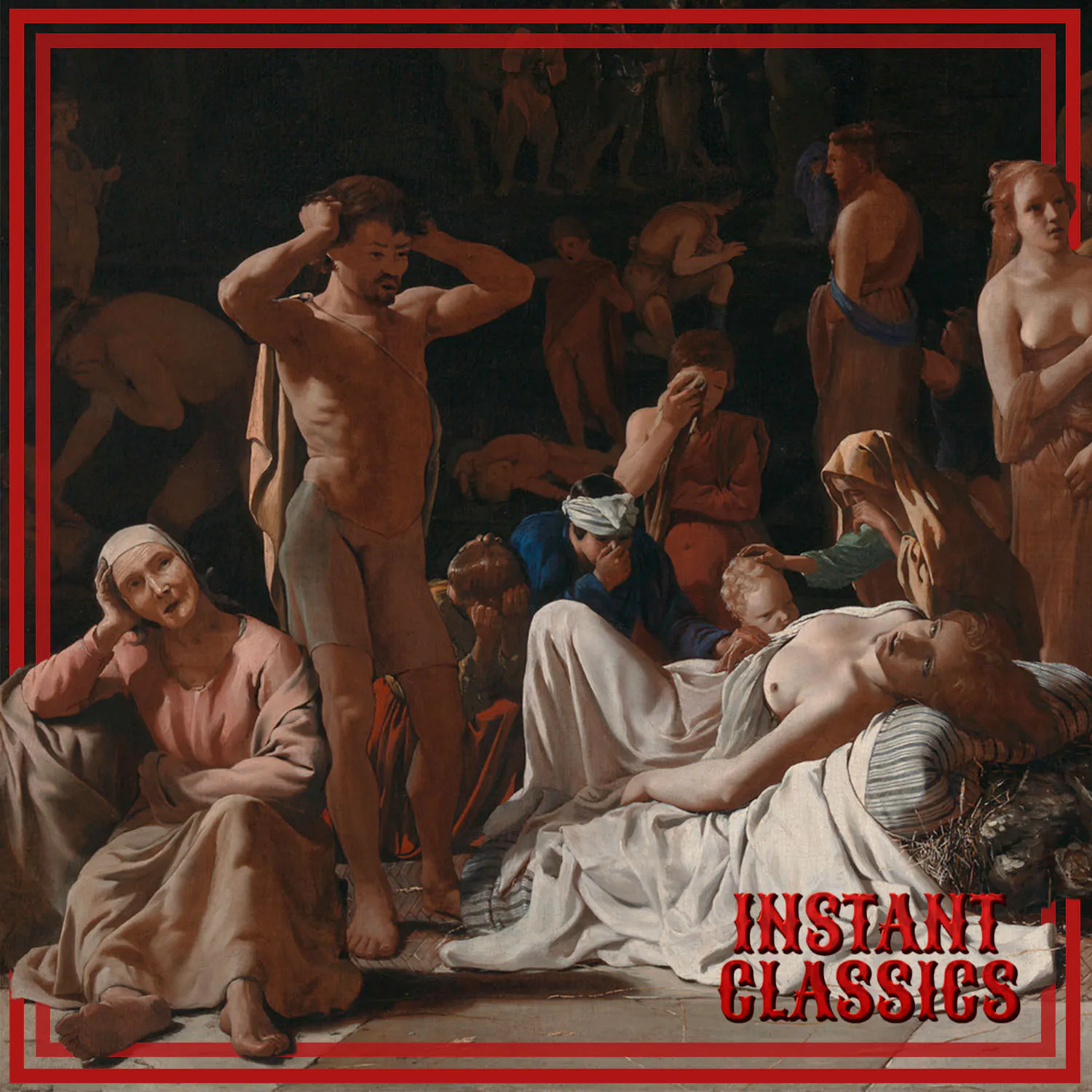

The Plague of Athens, as recorded by the historian Thucydides during the Peloponnesian War, serves as a critical case study for the intersection of disease, politics, and social collapse. While Thucydides provides a forensic, quasi-scientific description of symptoms, the specific nature of the pathogen remains elusive, illustrating the limitations of retrospective medical diagnosis. The narrative’s power lies in its structural juxtaposition: the idealism of Pericles’ funeral oration, which extols Athenian democracy and the rule of law, is immediately followed by the total breakdown of civic order, burial customs, and moral restraint. This transition reveals that pandemics are not merely biological events but profound cultural crises that expose the fragility of societal norms. By framing the plague within the context of war and leadership, Thucydides demonstrates that disease inevitably reshapes the governance and moral fabric of a community.
Sign in to continue reading, translating and more.
Open full episode in Podwise