

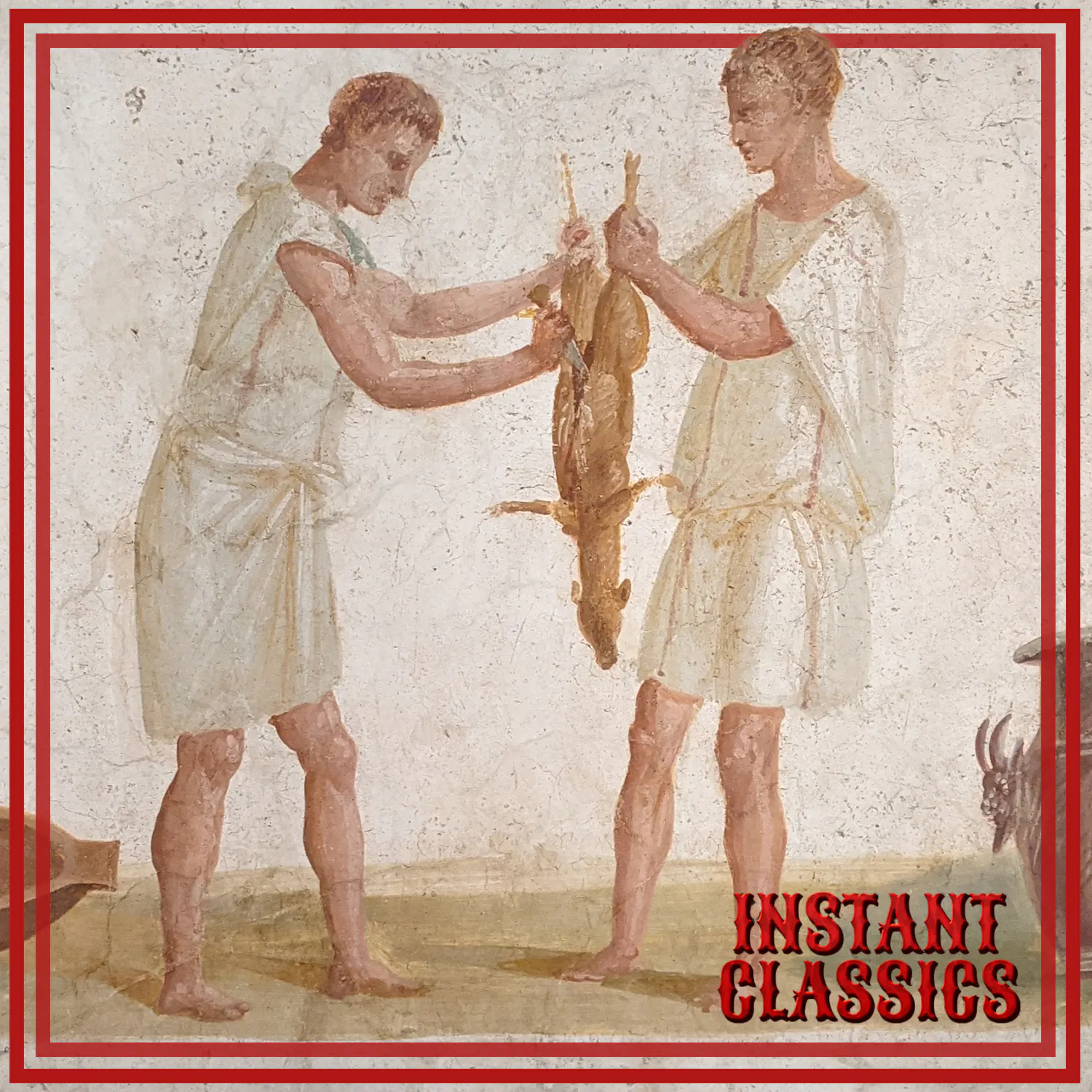

Ordinary Roman diets centered on humble, accessible ingredients like cabbage, garlic, and cheese, contrasting sharply with the extravagant, elite banquets often depicted in literature. Archaeological evidence from Pompeii and Herculaneum reveals that non-elite Romans frequently relied on takeaway food from local bars, as high-rise living lacked adequate cooking facilities. Scientific analysis of ancient cesspits and latrine deposits at sites like Herculaneum and the Roman fort at Bearsden provides concrete biological data, confirming a varied Mediterranean diet rich in fish, vegetables, and grains. These findings offer a democratic perspective on ancient life, shifting the focus from the moralizing fantasies of the wealthy to the practical, daily consumption habits of soldiers and common citizens. Modern scientific techniques now allow for a more accurate reconstruction of daily life at the edges of the Roman Empire, grounding historical understanding in tangible, biological reality.
Sign in to continue reading, translating and more.
Open full episode in Podwise