

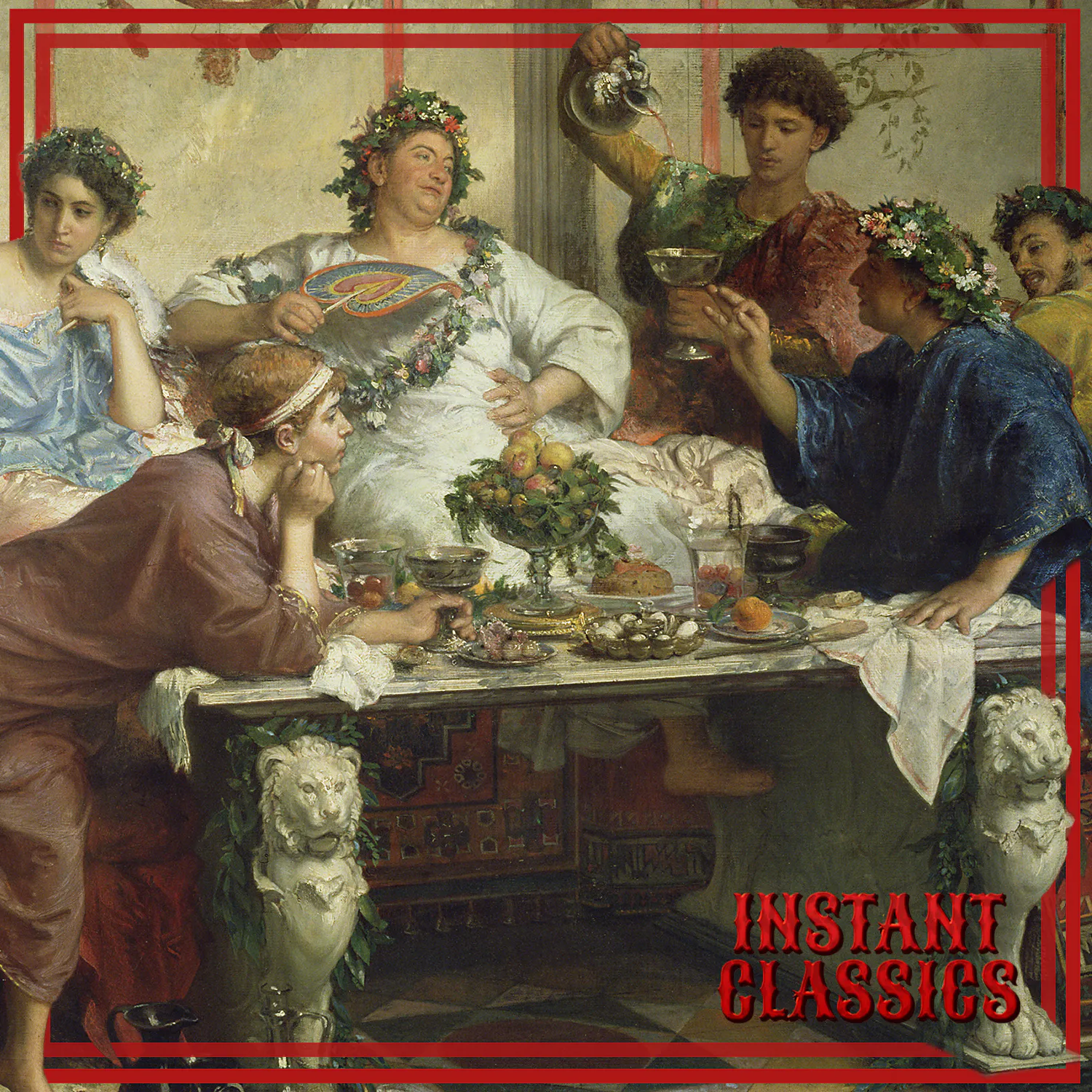

Roman elite dining remains defined by a tension between extreme, often fantastical luxury and the performative simplicity of leaders like Augustus. Historical accounts, such as those by Suetonius and the *Apicius* cookbook, reveal a culture obsessed with exotic ingredients—like flamingo tongues, lamprey milt, and pearls—that signify imperial power and the ability to extract resources from across the empire. While much of this reflects a moralizing narrative about decadence versus traditional Roman values, archaeological evidence of specialized vessels like *gliraria* confirms that certain delicacies, such as fattened dormice, were grounded in reality. Ultimately, Roman food habits function as a mirror for societal identity, where the distinction between the edible and the inedible, and the extravagant versus the austere, serves to reinforce class boundaries and moral character, much like contemporary cultural markers of status and foreignness.
Sign in to continue reading, translating and more.
Open full episode in Podwise