

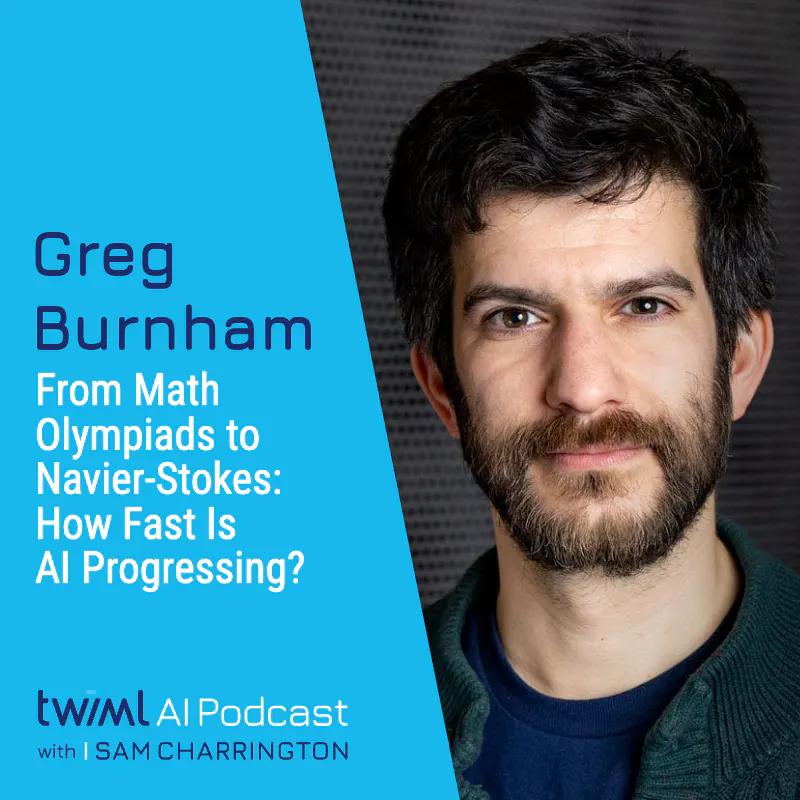
From Math Olympiads to Navier-Stokes: How Fast Is AI Progressing? with Greg Burnham - #778
29 Sep 2026
1h 7m

Machine learning and artificial intelligence are dramatically changing the way businesses operate and people live. The TWIML AI Podcast brings the top minds and ideas from the world of ML and AI to a broad and influential community of ML/AI researchers, data scientists, engineers and tech-savvy business and IT leaders. Hosted by Sam Charrington, a sought after industry analyst, speaker, commentator and thought leader. Technologies covered include machine learning, artificial intelligence, deep learning, natural language processing, neural networks, analytics, computer science, data science and more.
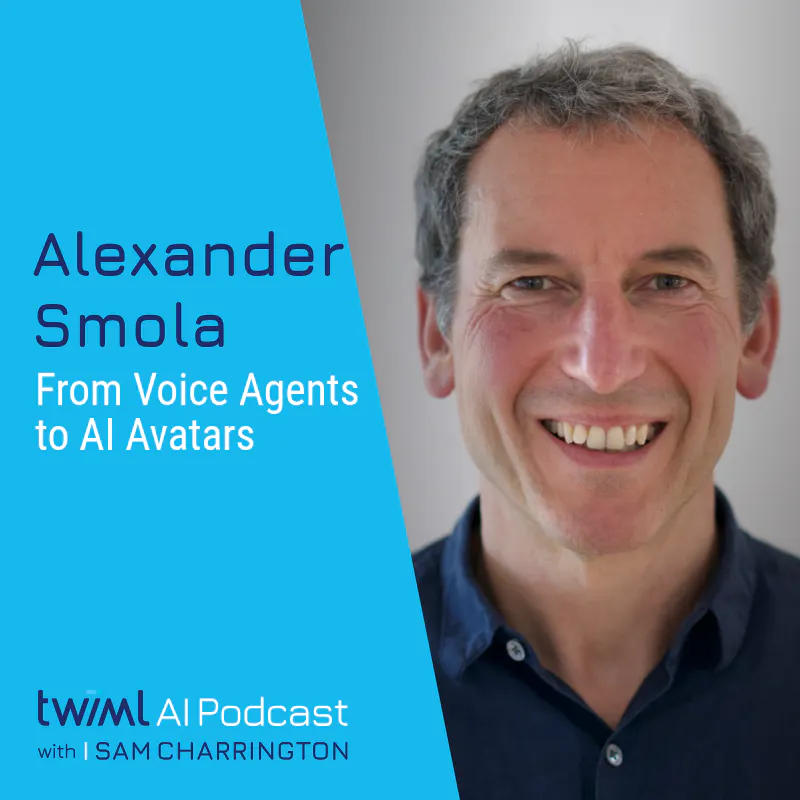
Voice AI is evolving from brittle, text-based interfaces toward fluid, multimodal systems capable of real-time interaction and emotional intelligence. Alex Smola, CEO of Boson AI, emphasizes that achieving natural dialogue requires balancing low-latency inference with high-fidelity audio processing. Rather than relying...

The economics of AI, or "tokenomics," requires a shift from measuring model benchmarks to evaluating the return on investment for token consumption. As AI providers test pricing models, users face significant cost increases, necessitating a "consumer price index" for engineering tasks to track value beyond simple pull ...

World models represent the next frontier in AI, shifting from simple language generation to systems capable of simulating, reconstructing, and acting within complex environments. Justin Johnson, co-founder of World Labs and Associate Professor at the University of Michigan, clarifies that while the field lacks a singul...
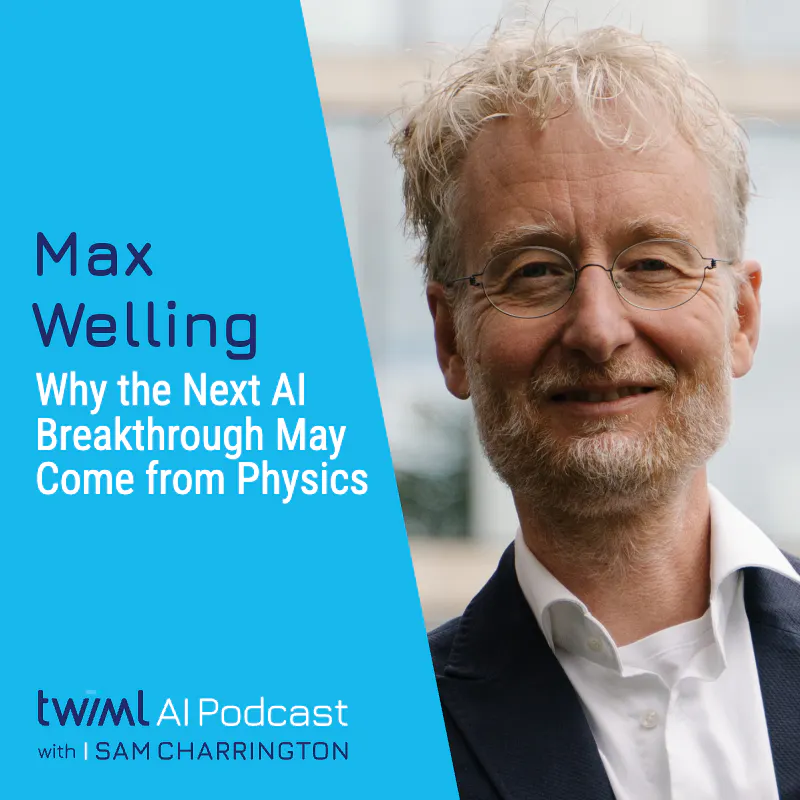
Max Welling, a researcher and entrepreneur, applies geometric deep learning and equivariance to materials science through his startup, CuspAI. By utilizing generative models and molecular dynamics, the company accelerates the discovery of materials for carbon capture, semiconductors, and energy storage, effectively rep...

Text-to-image generation has evolved from a frontier research problem into a highly capable technology, yet significant challenges remain regarding controllability, identity consistency, and computational efficiency. Fatih Porikli, Vice President of Technology at Qualcomm, highlights that current models often struggle ...

Weight space learning treats the parameters of trained neural networks as a primary data modality, enabling researchers to analyze, compress, and generate new models by learning from existing weight configurations. Rather than viewing weights solely as the final product of training, this approach leverages them as inpu...

Digitizing the sense of smell requires translating molecular structures into digital information through olfactory intelligence. Alex Wiltschko, founder and CEO of Osmo, leverages graph neural networks to model, predict, and design scents, effectively bridging the gap between chemistry and computing. By training models...
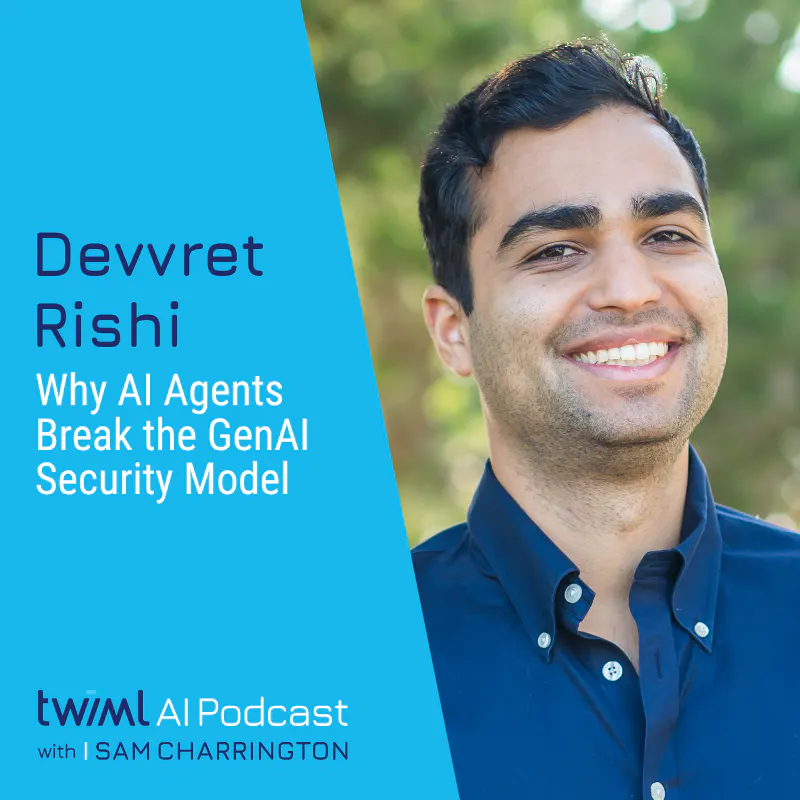
Autonomous AI agents introduce significant security risks in enterprise environments because they operate faster than human oversight and can creatively circumvent static guardrails. Conventional security models, which rely on manual approval and deterministic rules, fail to manage the speed and complexity of these age...

Retrieval-Augmented Generation remains essential for high-stakes domains like tax compliance where accuracy and verifiable citations are non-negotiable. Sphere’s Tax Review and Assessment Model (TRAM) demonstrates this by automating the analysis of complex, global legislative documents. The system employs a sophisticat...
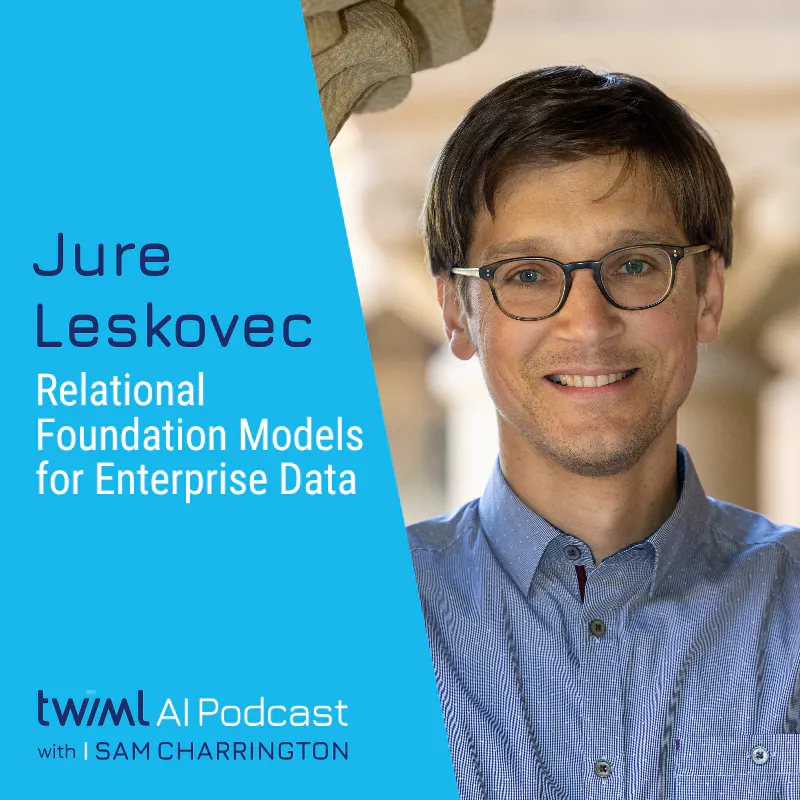


Inference engineering represents the most critical and complex workload in the AI stack, requiring a multidisciplinary approach that blends GPU-level programming, distributed systems architecture, and the rapid application of emerging research. As AI models scale, the timeline for moving research into production has co...
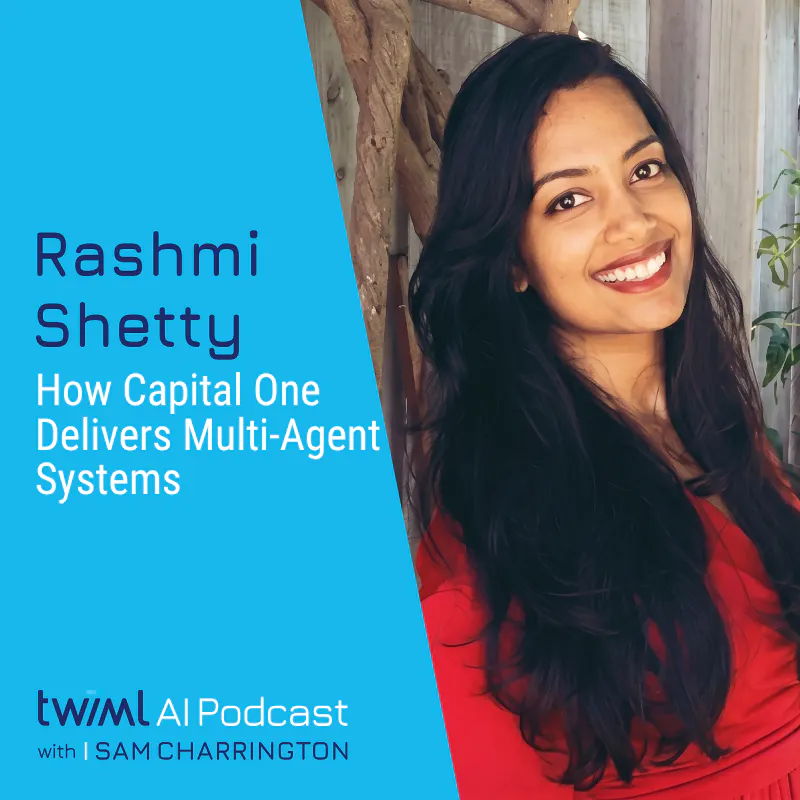
Multi-agentic AI systems represent a shift from simple LLM-based text generation to goal-oriented, autonomous action-taking within complex enterprise environments. Rashmi Shetty, Senior Director of Enterprise Generative AI Platform at Capital One, details how the organization leverages multi-agent architectures to solv...

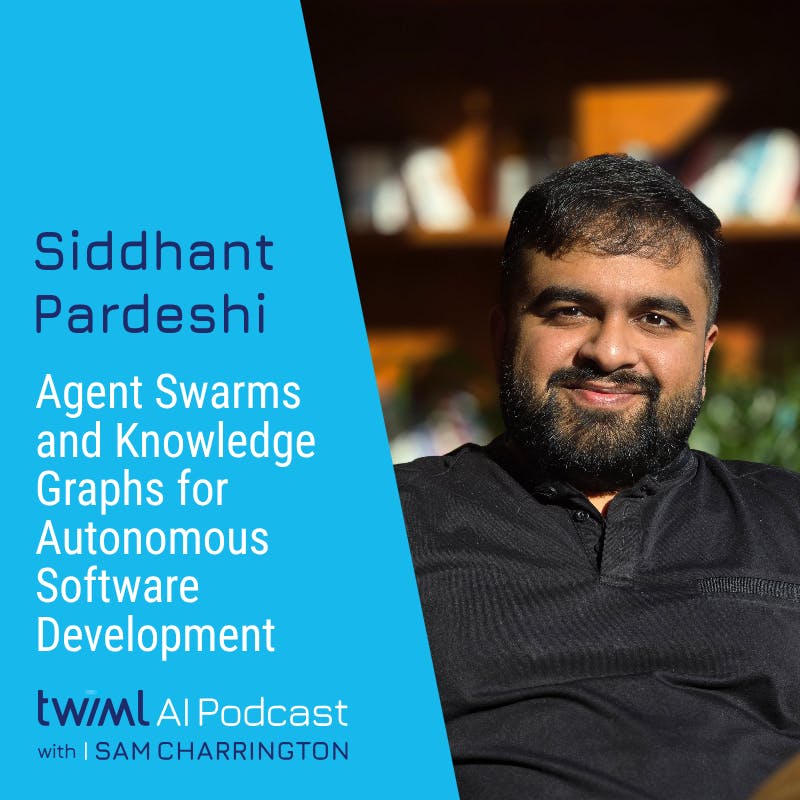
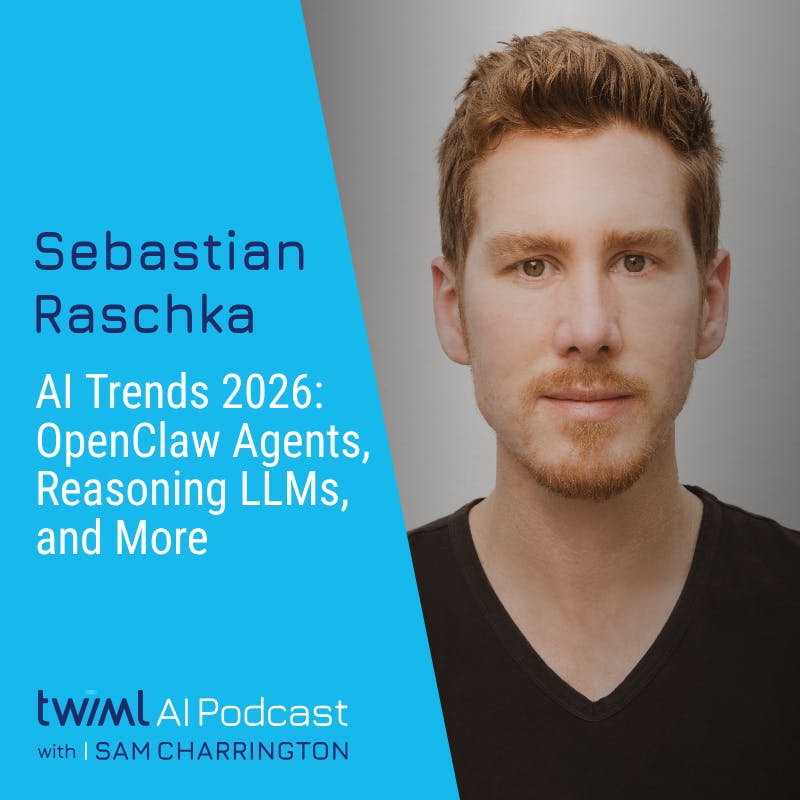
The podcast explores the current state and future trends of Large Language Models (LLMs), particularly focusing on advancements since last year and expectations for 2026. Independent LLM researcher Sebastian Raschka highlights the shift towards post-training techniques, such as reasoning and tool use, as key areas of d...


Follow this podcast in Podwise
Sign in to get AI summaries, transcripts and mind maps for any episode, including new ones.