


BONUS Mary & Charlotte on the trailer for Christopher Nolan’s Odyssey
03 Feb 2026
7m

Join world-renowned classicist Mary Beard and Guardian chief culture writer Charlotte Higgins for Instant Classics — the weekly podcast that proves ancient history is still relevant. Ancient stories, modern twists… and no degree in Classics required. Discover The Odyssey and join the book club at: https://www.exploringtheodyssey.com
Helen of Troy serves as a focal point for enduring anxieties regarding female power, desire, and agency. Homer’s Iliad presents her not as a mere catalyst for war, but as a self-aware figure who observes the conflict from the ramparts and critiques her own role through the traditional medium of weaving. Her character r...
Helen of Troy exists not as a static historical figure but as a fluid, evolving mythic construct shaped by centuries of artistic and literary reinterpretation. Her story begins with the surreal conception involving Leda and a swan—a narrative that highlights the tension between divine intervention and mortal reality. B...
Ancient Greek history reveals a sophisticated tradition of espionage and cryptography that challenges modern perceptions of intelligence gathering. Rather than an organized secret service, ancient spycraft relied on individual ingenuity and the strategic control of information. Notable examples include the use of tatto...

Women wearing togas in Ancient Rome functioned as a complex, often misunderstood symbol rather than a standardized punishment for adultery. Research by novelist and classicist Naomi Alderman reveals that historical evidence for forced togas among adulteresses is negligible, likely stemming from misinterpretations of la...
Ancient Roman financial security relied on private, locked chests or temple storage, such as the Temple of Saturn, rather than modern banking institutions. Medical care, particularly midwifery, often diverged between the misogynistic theories found in Hippocratic texts and the practical, professional reality evidenced ...

Saturnalia, an ancient Roman festival, shares superficial similarities with modern Christmas, yet historical analysis reveals significant distinctions. While the festival featured social hierarchy reversals—such as masters serving enslaved people—these moments functioned as pressure valves to reinforce rather than dism...

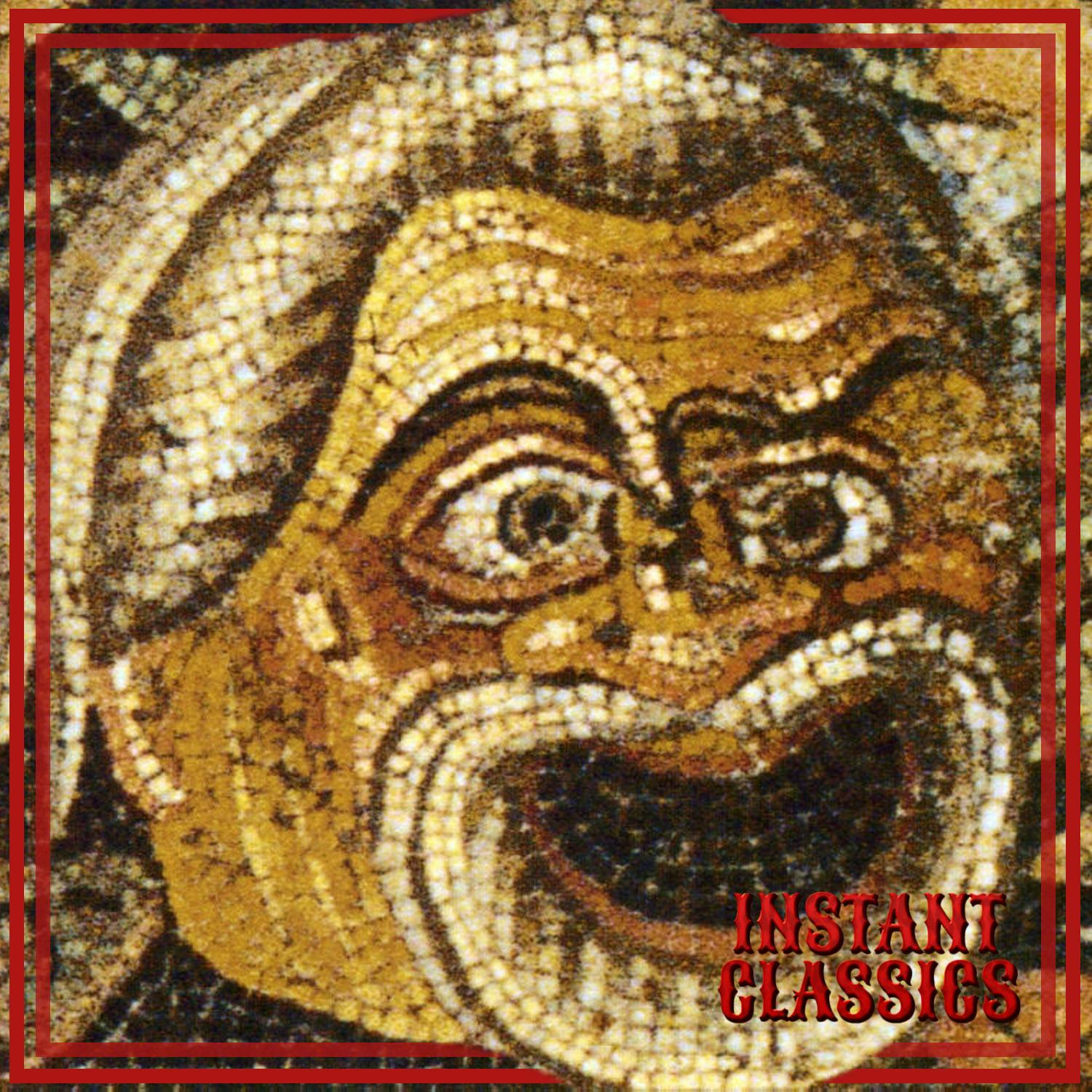
Ancient Athenian theatre functioned as a massive, state-sponsored religious infrastructure rather than a simple evening of entertainment. Unlike modern performances, these events spanned several days and were deeply embedded in the worship of Dionysus, involving animal sacrifices, military parades, and the display of i...

Roman London, often overshadowed by more iconic ancient sites, reveals a complex, bustling history through archaeological layers buried beneath the modern city. Excavations of the Roman amphitheatre, hundreds of business-focused writing tablets, and personal artifacts like leather shoes and safety pins illustrate a vib...

Athena embodies "cunning intelligence" and tactical strategy, serving as a patron of technical skills and a crucial guide for heroes like Perseus and Heracles. Despite her female identity, she functions as a staunch champion of the patriarchy, famously casting the deciding vote in Orestes' trial to uphold male authorit...

Boudica’s rebellion against Roman rule in Britain serves as a case study for the complexities of historical narrative and national identity. The destruction of Camulodunum, London, and Verulamium highlights the brutality of both the Iceni queen and the Roman governor Suetonius Paulinus, whose subsequent reprisals event...
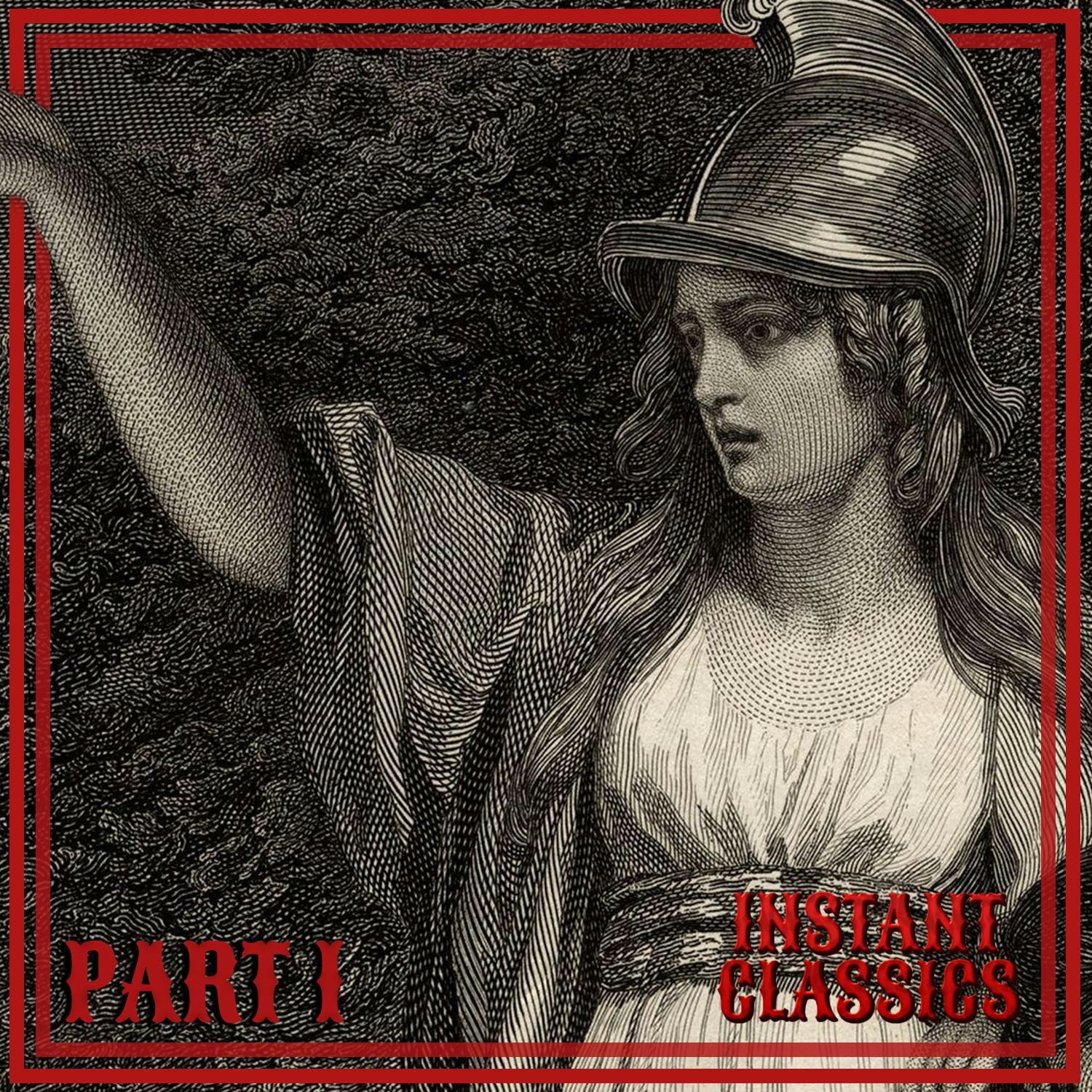
Boudica, the first named woman in British history, serves as a complex symbol of resistance against Roman imperial expansion in the first century CE. While Roman historians like Tacitus and Cassius Dio provide the primary accounts of her rebellion, these narratives reveal as much about Roman anxieties regarding female ...
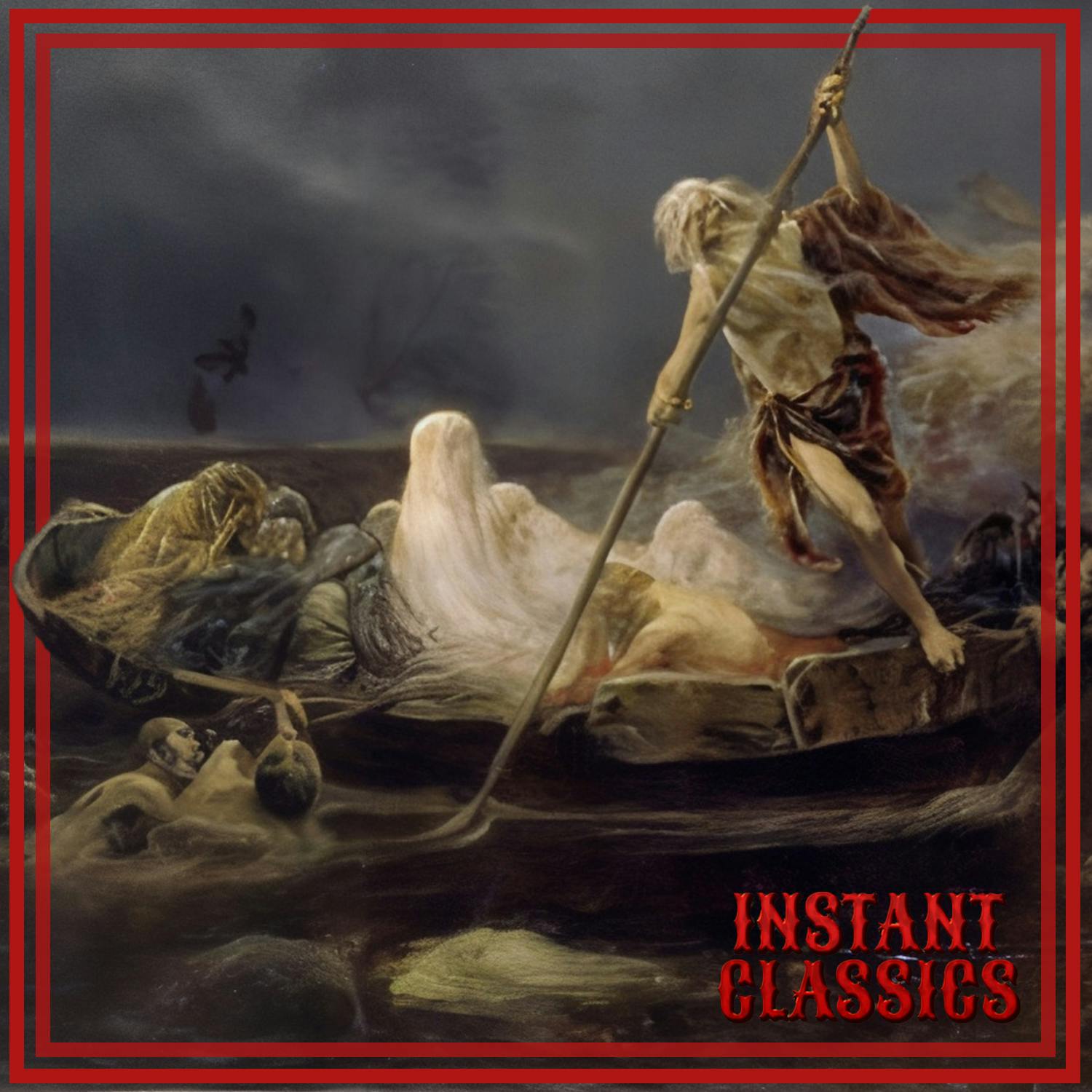
The ancient Greek and Roman conception of the Underworld functions as a symbolic threshold where heroes confront their mortality and purpose, rather than a fixed, mappable geography. Homer’s Odyssey portrays the realm as a desolate space inhabited by bloodless, insubstantial shades who require sacrificial offerings to ...
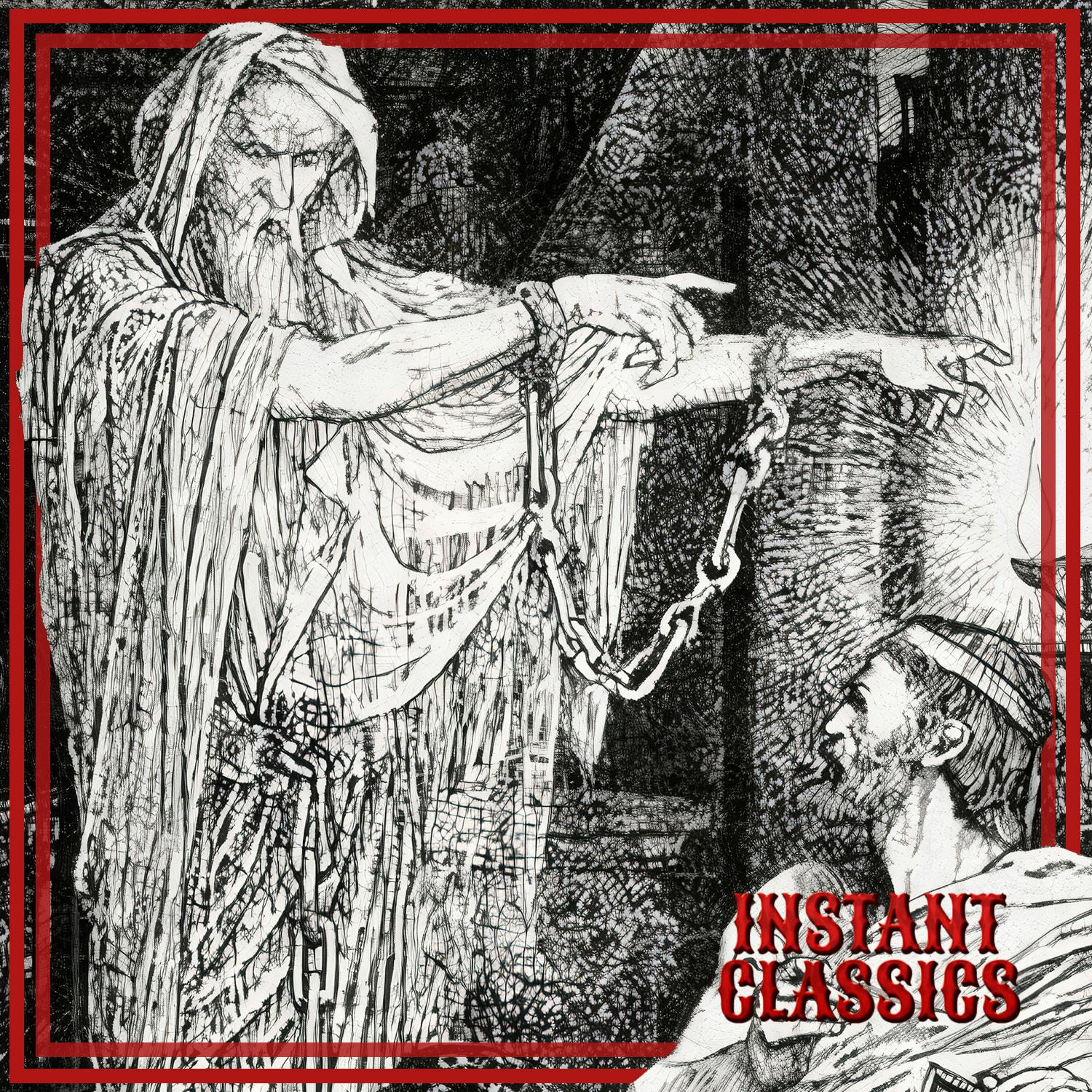
Ancient Greek and Roman cultures viewed ghosts as "restless dead"—individuals denied proper burial or victims of untimely, violent deaths—rather than mere figments of imagination. Philosophers frequently acted as investigators, employing logic and ritual to resolve hauntings, as seen in Pliny the Younger’s account of a...

The myth that Emperor Nero played a lyre while Rome burned in 64 CE serves as a powerful, enduring symbol of political negligence and depravity. While historical evidence suggests Nero actually organized relief efforts and implemented new urban safety regulations, the narrative of his indifference persists. Ancient his...
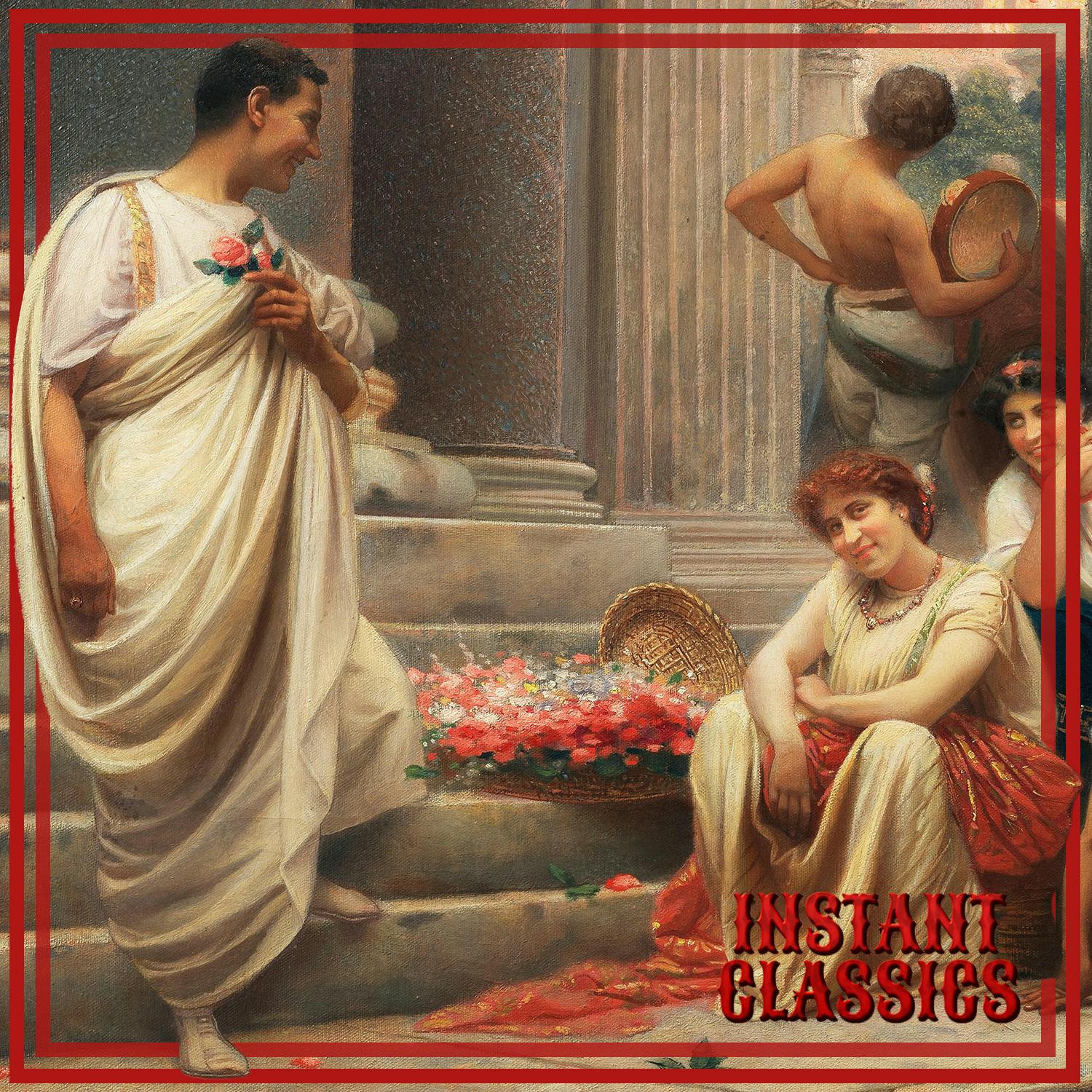
The Roman toga serves as a profound symbol of citizenship and social status rather than mere everyday attire. This formal garment required immense labor, involving 40 kilometers of hand-spun wool and over 100 days of weaving, necessitating assistance to drape correctly. Beyond its physical construction, the toga functi...

Cassandra serves as a powerful symbol of the ignored truth-teller, yet her mythical origins reveal a far more complex and fragmented narrative than the modern "I told you so" trope suggests. While Homer’s Iliad presents her as a minor figure, later classical sources and visual arts emphasize her role as a victim of div...

Rome’s foundation myths, including the tales of Romulus and Remus and the Trojan hero Aeneas, serve as essential tools for understanding Roman self-identity rather than accurate historical records. While ancient intellectuals like Livy expressed skepticism toward these narratives, they remained central to Roman culture...
Follow this podcast in Podwise
Sign in to get AI summaries, transcripts and mind maps for any episode, including new ones.